Buy morganpsychology.eu ?
We are moving the project
morganpsychology.eu .
Are you interested in purchasing the domain
morganpsychology.eu ?
domain@kv-gmbh.de · 0541-91531010
Buy morganpsychology.eu ?
How did paganism originate?
Paganism is a term used to describe various pre-Christian religious beliefs and practices. The origins of paganism can be traced back to ancient civilizations such as the Greeks, Romans, Egyptians, and Celts, who worshipped a variety of gods and goddesses associated with nature, fertility, and the elements. These beliefs were passed down through oral traditions and rituals, evolving over time as different cultures interacted and exchanged ideas. Paganism eventually declined with the spread of Christianity and other monotheistic religions, but has experienced a revival in modern times as people seek to reconnect with nature and ancient spiritual practices. **
When did prokaryotes originate?
Prokaryotes are believed to have originated around 3.5 billion years ago, making them some of the earliest forms of life on Earth. **


Similar search terms for Originate
Top-Angebote
Products related to Originate:
-
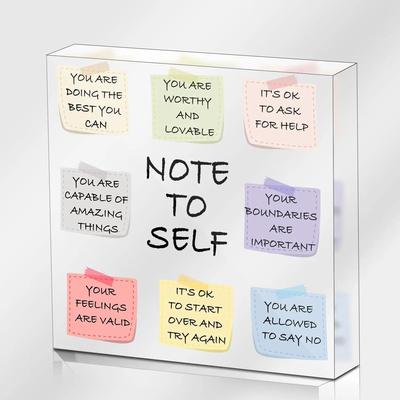
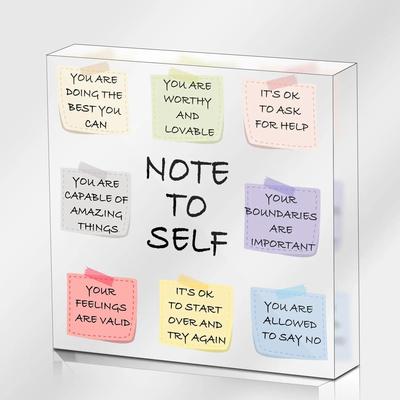
Uplifted Finds Mental Health Awareness Acrylic Sign Psychology Motivational Decor For Counseling, Classroom & Office Mental Health Awareness Acrylic Sign Psychology Motivational Decor For Counseling, Classroom & Office"Foster a culture of resilience and wellness with our Mental Health Gift. This premium psychology motivational decoration is the ultimate designer solution for creating a ""MindfulSanctuary"" or ""PositiveFocus"" atmosphere in any home. Featuring a..."71,97 $*Shipping: 0,00 $Secure redirect to the provider
-
Uplift Essentials Mental Health & Psychology Motivational Sign Inspirational Modern Decor For Counseling & Classroom Corners Mental Health & Psychology Motivational Sign Inspirational Modern Decor For Counseling & Classroom Corners"Synchronize your sanctuary with the highdefinition, highvibration energy of our Psychology Motivational Decoration. Featuring a sophisticated ""mindfulminimalist"" silhouette, this professional plaque is designed to bring a ""calmluxe"" energy to your..."59,97 $*Shipping: 0,00 $Secure redirect to the provider
-
Sage Green Mindfulness Journal NotebookEnhance your daily reflection with the Sage Green Mindfulness Journal. Designed to encourage positivity and self-awareness, this elegant journal features guided prompts, space for gratitude, and mindful exercises. The soft sage green cover adds a calming touch, while the high-quality pages make writing a pleasure. Perfect for anyone looking to cultivate mindfulness and inner peace in their daily routine.9,00 £*Shipping: 4,99 £Secure redirect to the provider
-
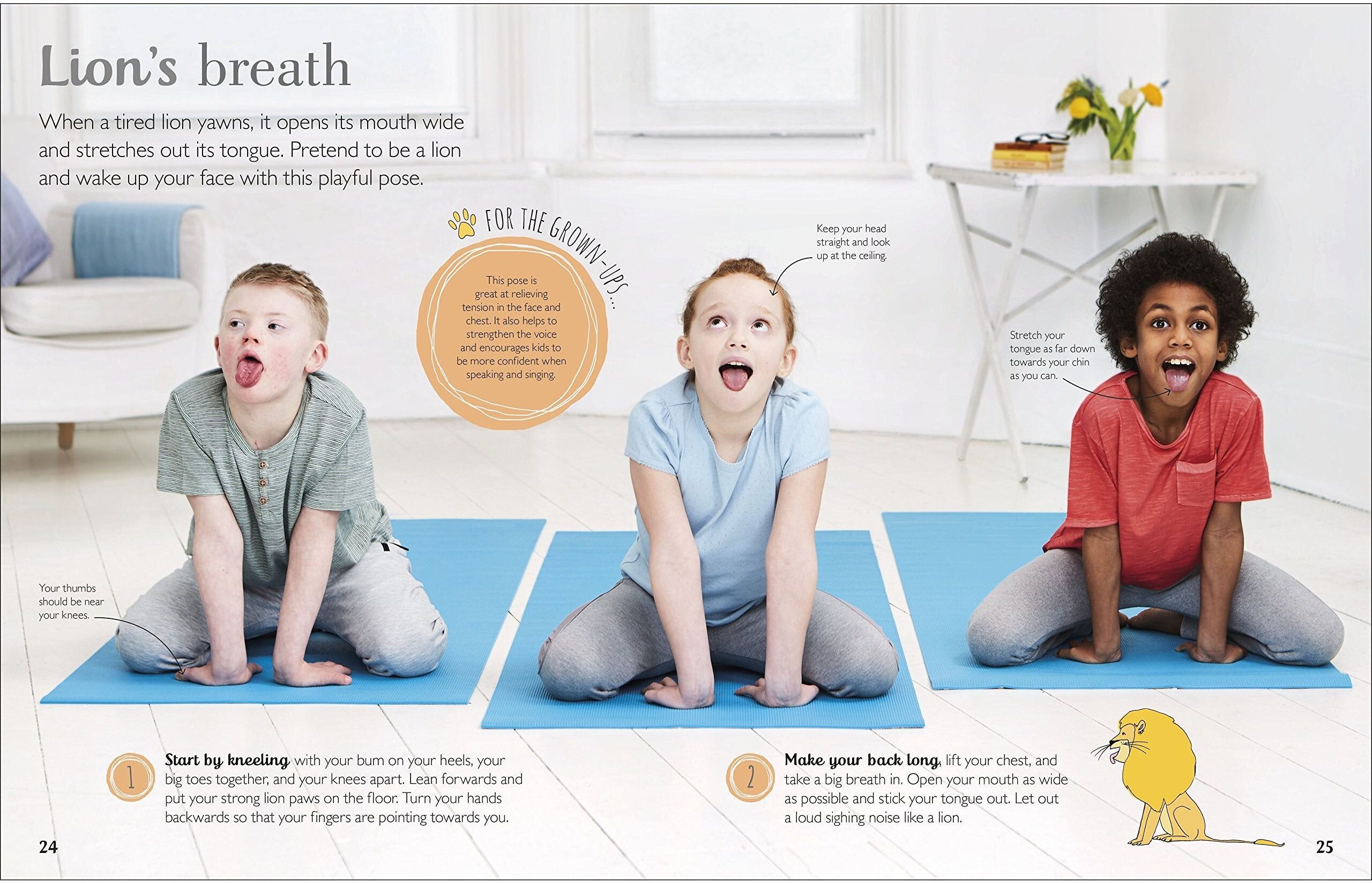
DK Yoga For Kids: Simple First Steps in Yoga and Mindfulness (Mindfulness for Kids) by Susannah HoffmanSimple first steps in yoga and mindfulness for your little one to discover!Yoga for Kids is a great way to teach your children about yoga, mindfulness, meditation and peace - whilst having fun at the same time! This all-encompassing guide includes everything you need to know about yoga for children. Encourage your child's curiosity as they explore simple variations of much-loved yoga poses, from the comfort of your own home!Dive straight in to discover:-Over 25 simple poses and yoga activities to explore-How to achieve maximum mindfulness and fun throughout each activity-Colourful illustrations and photographs showing yoga poses for kids to copy-Higher-level information allows parents to understand and ensure safety behind each poseYoga for Kids aims to teach children all about yoga and mindfulness using a strongly visual approach. Featuring exercises for the parents and children to explore independently or together, whether it's stretching into tree pose, bending into butterfly pose, succeeding with sun salutation or doing downward dog, your child can explore a series of fun and engaging yoga poses that'll keep them entertained for hours! Follow the activities presented in this yoga guide, and your little one can learn how to perfect their poses and become stronger and more confident too!The ideal yoga activity book for 6-9 year olds, this is a must-have volume for children who like moving, learning and bending! Whether you're a parent looking to encourage your child to relax, engage, focus and have fun, or you think your child may be experiencing anxiety and you're looking for a fun and mindful activity the family can enjoy together, this all-encompassing yoga book for children may be calling your name!Children's yoga expert Susannah Hoffman sets out to prove that supporting a child's positive mental health does not need to be expensive, difficult or even time-consuming.With this awe-inspiring activity book, your child can explore yoga poses that will help them de-stress and have fun at the same time!4,99 £*Shipping: 1,99 £Secure redirect to the provider

-
How did mitochondria originate?
Mitochondria are believed to have originated from a symbiotic relationship between an ancestral eukaryotic cell and an ancient prokaryotic organism, specifically an alpha-proteobacteria. This symbiotic relationship is thought to have occurred around 1.5 billion years ago, with the prokaryotic organism being engulfed by the eukaryotic cell but not digested. Over time, this prokaryotic organism evolved into the mitochondria we see in eukaryotic cells today. This theory is supported by the fact that mitochondria have their own DNA, similar to that of bacteria, and replicate independently of the host cell. **
-
How did Portuguese originate?
Portuguese originated from the Latin language brought to the Iberian Peninsula by the Romans during their conquests. Over time, this Latin evolved into the Romance language known as Vulgar Latin, which eventually developed into the various Romance languages spoken today, including Portuguese. The specific development of Portuguese as a distinct language began in the medieval Kingdom of Galicia, which later became part of Portugal. Through a process of linguistic evolution and influence from other languages, Portuguese emerged as a separate language from Galician-Portuguese in the 12th century. **
-
How did monasteries originate?
Monasteries originated in the early Christian era as communities of devout individuals seeking to live a life of prayer, meditation, and service to God. The concept of monasticism was influenced by the teachings of Jesus Christ and the examples set by early Christian ascetics. Monasteries provided a structured environment for monks and nuns to dedicate themselves fully to their spiritual pursuits, away from the distractions of the secular world. Over time, monasteries evolved into centers of learning, culture, and hospitality, playing a significant role in the spread of Christianity and the preservation of knowledge. **
-
How did Freemasonry originate?
Freemasonry originated in the late 16th to early 17th centuries in Scotland and England. It evolved from the guilds of stonemasons who built the castles and cathedrals of the Middle Ages. These stonemasons formed secret societies to pass down their trade secrets and traditions. Over time, Freemasonry expanded to include non-masons and evolved into a fraternal organization focused on moral and ethical teachings. **
How did professions originate?
Professions originated as societies became more complex and specialized, requiring individuals to develop specific skills and knowledge in various fields. As communities grew, there was a need for individuals to specialize in certain tasks to ensure the smooth functioning of society. Over time, these specialized roles evolved into professions with their own set of standards, ethics, and qualifications. Today, professions continue to evolve and adapt to the changing needs of society. **
Where did life originate?
Life is believed to have originated on Earth around 3.5 to 4 billion years ago. The exact location of where life originated is still a topic of debate among scientists, but many believe that it may have started in the oceans near hydrothermal vents or in shallow pools of water. These environments provided the necessary conditions for the formation of simple organic molecules and the evolution of early life forms. **
Top-Angebote
Products related to Originate:
-
Art of Mindfulness for Beginners: Art Therapy & Nature - Paperback Self-Help Book by B Jain Publishing - Mindfulness & Art Therapy for AdultsDiscover a gentle and accessible guide to mindfulness through art therapy and nature. This beginner-friendly paperback is designed for those looking to slow down and reconnect with the present moment through creative expression. Blending simple art-making exercises with the calming influence of the natural world, it provides practical tools for reducing stress. No artistic experience is required, just an open mind and a willingness to explore mindfulness through colour, texture, and the rhythms of nature. This book sits at the crossroads of art therapy and nature-based mindfulness, two disciplines that can help ease everyday anxiety and mental fatigue. Rather than focusing on technical drawing or painting skill, the book centres on process over product, guiding readers through a series of exercises that promote mindfulness and self-discovery. Published by B Jain Publishing, this paperback is a great resource for anyone looking to cultivate a greater sense of calm and well-being in their daily lives.3,49 £*Shipping: 2,99 £Secure redirect to the provider
-
Handpicked Choices Red Light Therapy Belt Infrared Therapy Wrap For Back Waist Muscle Recovery And Body Wellness blackExperience soothing comfort with this Red Light Therapy Belt, designed to help you relax after long days, intense workouts, or everyday physical strain. Combining 660nm red light and 850nm nearinfrared light, it offers a convenient, handsfree...109,97 $*Shipping: 0,00 $Secure redirect to the provider
-
Uplifted Finds Mental Health Awareness Acrylic Sign Psychology Motivational Decor For Counseling, Classroom & Office Mental Health Awareness Acrylic Sign Psychology Motivational Decor For Counseling, Classroom & Office"Foster a culture of resilience and wellness with our Mental Health Gift. This premium psychology motivational decoration is the ultimate designer solution for creating a ""MindfulSanctuary"" or ""PositiveFocus"" atmosphere in any home. Featuring a..."71,97 $*Shipping: 0,00 $Secure redirect to the provider
-
Uplift Essentials Mental Health & Psychology Motivational Sign Inspirational Modern Decor For Counseling & Classroom Corners Mental Health & Psychology Motivational Sign Inspirational Modern Decor For Counseling & Classroom Corners"Synchronize your sanctuary with the highdefinition, highvibration energy of our Psychology Motivational Decoration. Featuring a sophisticated ""mindfulminimalist"" silhouette, this professional plaque is designed to bring a ""calmluxe"" energy to your..."59,97 $*Shipping: 0,00 $Secure redirect to the provider
-
How did paganism originate?
Paganism is a term used to describe various pre-Christian religious beliefs and practices. The origins of paganism can be traced back to ancient civilizations such as the Greeks, Romans, Egyptians, and Celts, who worshipped a variety of gods and goddesses associated with nature, fertility, and the elements. These beliefs were passed down through oral traditions and rituals, evolving over time as different cultures interacted and exchanged ideas. Paganism eventually declined with the spread of Christianity and other monotheistic religions, but has experienced a revival in modern times as people seek to reconnect with nature and ancient spiritual practices. **
-
When did prokaryotes originate?
Prokaryotes are believed to have originated around 3.5 billion years ago, making them some of the earliest forms of life on Earth. **
-
How did mitochondria originate?
Mitochondria are believed to have originated from a symbiotic relationship between an ancestral eukaryotic cell and an ancient prokaryotic organism, specifically an alpha-proteobacteria. This symbiotic relationship is thought to have occurred around 1.5 billion years ago, with the prokaryotic organism being engulfed by the eukaryotic cell but not digested. Over time, this prokaryotic organism evolved into the mitochondria we see in eukaryotic cells today. This theory is supported by the fact that mitochondria have their own DNA, similar to that of bacteria, and replicate independently of the host cell. **
-
How did Portuguese originate?
Portuguese originated from the Latin language brought to the Iberian Peninsula by the Romans during their conquests. Over time, this Latin evolved into the Romance language known as Vulgar Latin, which eventually developed into the various Romance languages spoken today, including Portuguese. The specific development of Portuguese as a distinct language began in the medieval Kingdom of Galicia, which later became part of Portugal. Through a process of linguistic evolution and influence from other languages, Portuguese emerged as a separate language from Galician-Portuguese in the 12th century. **
Similar search terms for Originate
-
Sage Green Mindfulness Journal NotebookEnhance your daily reflection with the Sage Green Mindfulness Journal. Designed to encourage positivity and self-awareness, this elegant journal features guided prompts, space for gratitude, and mindful exercises. The soft sage green cover adds a calming touch, while the high-quality pages make writing a pleasure. Perfect for anyone looking to cultivate mindfulness and inner peace in their daily routine.9,00 £*Shipping: 4,99 £Secure redirect to the provider
-
DK Yoga For Kids: Simple First Steps in Yoga and Mindfulness (Mindfulness for Kids) by Susannah HoffmanSimple first steps in yoga and mindfulness for your little one to discover!Yoga for Kids is a great way to teach your children about yoga, mindfulness, meditation and peace - whilst having fun at the same time! This all-encompassing guide includes everything you need to know about yoga for children. Encourage your child's curiosity as they explore simple variations of much-loved yoga poses, from the comfort of your own home!Dive straight in to discover:-Over 25 simple poses and yoga activities to explore-How to achieve maximum mindfulness and fun throughout each activity-Colourful illustrations and photographs showing yoga poses for kids to copy-Higher-level information allows parents to understand and ensure safety behind each poseYoga for Kids aims to teach children all about yoga and mindfulness using a strongly visual approach. Featuring exercises for the parents and children to explore independently or together, whether it's stretching into tree pose, bending into butterfly pose, succeeding with sun salutation or doing downward dog, your child can explore a series of fun and engaging yoga poses that'll keep them entertained for hours! Follow the activities presented in this yoga guide, and your little one can learn how to perfect their poses and become stronger and more confident too!The ideal yoga activity book for 6-9 year olds, this is a must-have volume for children who like moving, learning and bending! Whether you're a parent looking to encourage your child to relax, engage, focus and have fun, or you think your child may be experiencing anxiety and you're looking for a fun and mindful activity the family can enjoy together, this all-encompassing yoga book for children may be calling your name!Children's yoga expert Susannah Hoffman sets out to prove that supporting a child's positive mental health does not need to be expensive, difficult or even time-consuming.With this awe-inspiring activity book, your child can explore yoga poses that will help them de-stress and have fun at the same time!4,99 £*Shipping: 1,99 £Secure redirect to the provider
-
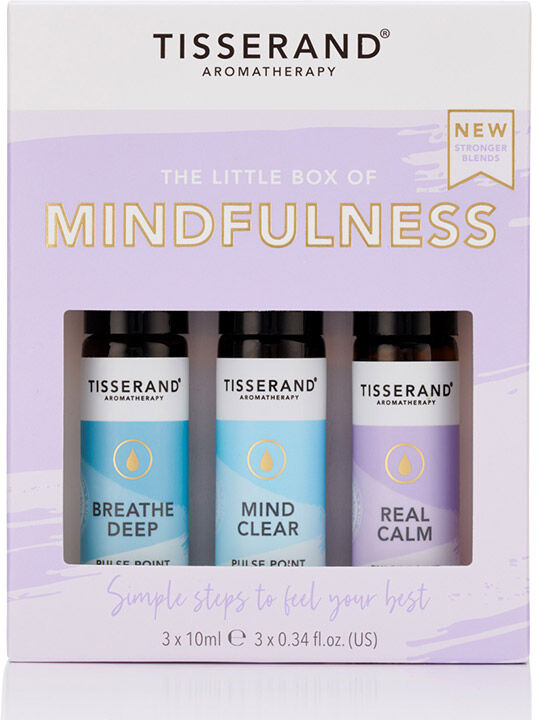
Tisserand Aromatherapy The Little Box of MindfulnessLife moving too fast? Clear your head with the Little Box of Mindfulness, containing expertly crafted three aromatherapy roller balls: • Breathe Deep Pulse Point Roller Ball 10ml • Mind Clear Pulse Point Roller Ball 10ml • Real Calm Pulse Point Roller Ball 10ml Combining orange, petitgrain and coriander essential oils, the Breathe Deep Pulse Point Roller Ball helps give your mind a break when it’s time to slow down and stop. The Mind Clear Pulse Point Roller Ball banishes clouding thoughts and lends clarity, boasting natural essential oils of peppermint, lavender and lemon. With a blend of lavender, bergamot and patchouli, the Real Calm Pulse Point Roller Ball helps restore your sense of tranquillity – perfect for aiding meditation or enhancing a yoga practice. Free from SLES, parabens and synthetic fragrances. Ingredients Breathe Deep Roller Ball: Caprylic/Capric Triglyceride, Citrus Aurantium Dulcis (Orange) Peel Oil, Amyris Balsamifera Bark Oil, Citrus Aurantium Amara (Petitgrain) Leaf/Twig Oil, Coriandrum Sativum (Coriander) Seed Oil, Tocopherol, Limonene*, Linalool*, Citral*, Geraniol*. Mind Clear Roller Ball: Caprylic/Capric Triglyceride, Mentha Piperita (Peppermint) Oil, Lavandula Angustifolia (Lavender) Oil, Picea Mariana (Black Spruce) Leaf Oil, Citrus Aurantifolia (Lime) Peel Oil, Citrus Limon (Lemon) Peel Oil, Origanum Majorana (French Marjoram) Leaf Oil, Anthemis Nobilis, Tocopherol, Limonene*, Linalool*, Citral*, Geraniol*. Real Calm Roller Ball: Caprylic/Capric Triglyceride, Citrus Aurantium Bergamia (Bergamot) Peel Oil, Lavandula Angustifolia (Lavender) Oil, Pogostemon Cablin (Patchouli) Leaf Oil, Pelargonium Graveolens (Geranium) Oil, Tocopherol, Linalool* Limonene*, Citronellol*, Geraniol*, Citral*. *Naturally Occurring Within Essential Oils10,59 £*Shipping: 2,95 £Secure redirect to the provider
-
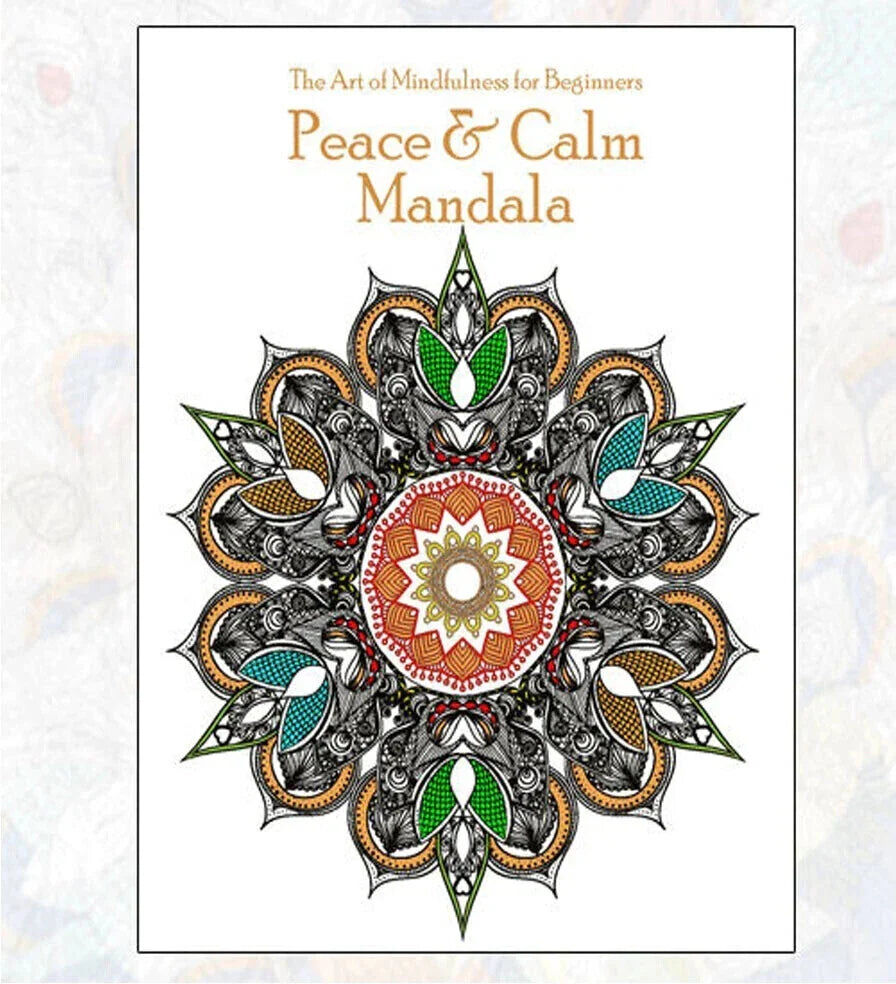
Art of Mindfulness for Beginners: Peace & Calm Mandala - B Jain Publishing - Paperback Mindfulness Colouring Book for Adults - Stress ReliefDiscover a gentle introduction to mindfulness with Art of Mindfulness for Beginners: Peace ; Calm Mandala. This accessible paperback combines calming mandala artwork with simple mindfulness guidance, offering a low-pressure way to unwind and reduce everyday stress. Ideal for newcomers to mindfulness practice, it pairs creative colouring with a relaxing, screen-free activity that can be picked up in short sessions or longer, unhurried sittings whenever calm is needed. The book brings together the therapeutic benefits of mandala art with the core principles of mindfulness, providing a beginner-friendly guide to quieting a busy mind. With its easy-to-follow instructions and soothing artwork, this book is perfect for anyone looking to cultivate a sense of peace and calm in their daily life. Published by B Jain Publishing, this paperback is a great resource for adults and beginners alike.2,49 £*Shipping: 2,99 £Secure redirect to the provider
-
How did monasteries originate?
Monasteries originated in the early Christian era as communities of devout individuals seeking to live a life of prayer, meditation, and service to God. The concept of monasticism was influenced by the teachings of Jesus Christ and the examples set by early Christian ascetics. Monasteries provided a structured environment for monks and nuns to dedicate themselves fully to their spiritual pursuits, away from the distractions of the secular world. Over time, monasteries evolved into centers of learning, culture, and hospitality, playing a significant role in the spread of Christianity and the preservation of knowledge. **
-
How did Freemasonry originate?
Freemasonry originated in the late 16th to early 17th centuries in Scotland and England. It evolved from the guilds of stonemasons who built the castles and cathedrals of the Middle Ages. These stonemasons formed secret societies to pass down their trade secrets and traditions. Over time, Freemasonry expanded to include non-masons and evolved into a fraternal organization focused on moral and ethical teachings. **
-
How did professions originate?
Professions originated as societies became more complex and specialized, requiring individuals to develop specific skills and knowledge in various fields. As communities grew, there was a need for individuals to specialize in certain tasks to ensure the smooth functioning of society. Over time, these specialized roles evolved into professions with their own set of standards, ethics, and qualifications. Today, professions continue to evolve and adapt to the changing needs of society. **
-
Where did life originate?
Life is believed to have originated on Earth around 3.5 to 4 billion years ago. The exact location of where life originated is still a topic of debate among scientists, but many believe that it may have started in the oceans near hydrothermal vents or in shallow pools of water. These environments provided the necessary conditions for the formation of simple organic molecules and the evolution of early life forms. **
* All prices are inclusive of VAT and, if applicable, plus shipping costs. The offer information is based on the details provided by the respective shop and is updated through automated processes. Real-time updates do not occur, so deviations can occur in individual cases. ** Note: Parts of this content were created by AI.