Buy morganpsychology.eu ?
We are moving the project
morganpsychology.eu .
Are you interested in purchasing the domain
morganpsychology.eu ?
domain@kv-gmbh.de · 0541-91531010
Buy morganpsychology.eu ?
What are the differences between Gestalt therapy and systemic therapy?
Gestalt therapy focuses on the present moment and emphasizes personal responsibility, awareness, and the integration of mind, body, and emotions. It encourages clients to explore their experiences and take ownership of their thoughts and feelings. On the other hand, systemic therapy focuses on the interconnectedness of individuals within their family and social systems. It examines how patterns of behavior and communication within these systems impact the individual and seeks to bring about change through understanding and addressing these dynamics. While both approaches emphasize the importance of relationships and the environment, Gestalt therapy focuses on individual experience and personal growth, while systemic therapy looks at the broader context and relational dynamics. **
What are the differences between psychodynamic therapy and cognitive behavioral therapy?
Psychodynamic therapy focuses on exploring unconscious thoughts and emotions that may be influencing a person's behavior, while cognitive behavioral therapy (CBT) focuses on changing negative thought patterns and behaviors in the present. Psychodynamic therapy often involves delving into past experiences and relationships to gain insight into current issues, while CBT is more focused on identifying and changing specific thoughts and behaviors that are causing distress. Additionally, psychodynamic therapy tends to be more long-term and insight-oriented, while CBT is typically more short-term and goal-oriented. **


Similar search terms for Differences
Top-Angebote
Products related to Differences:
-
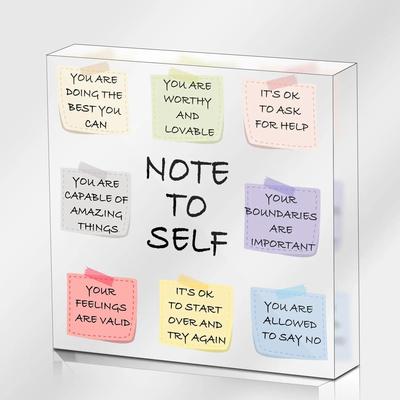
Uplift Essentials Mental Health & Psychology Motivational Sign Inspirational Modern Decor For Counseling & Classroom Corners Mental Health & Psychology Motivational Sign Inspirational Modern Decor For Counseling & Classroom Corners"Synchronize your sanctuary with the highdefinition, highvibration energy of our Psychology Motivational Decoration. Featuring a sophisticated ""mindfulminimalist"" silhouette, this professional plaque is designed to bring a ""calmluxe"" energy to your..."59,97 $*Shipping: 0,00 $Secure redirect to the provider
-
Uplifted Finds Mental Health Awareness Acrylic Sign Psychology Motivational Decor For Counseling, Classroom & Office Mental Health Awareness Acrylic Sign Psychology Motivational Decor For Counseling, Classroom & Office"Foster a culture of resilience and wellness with our Mental Health Gift. This premium psychology motivational decoration is the ultimate designer solution for creating a ""MindfulSanctuary"" or ""PositiveFocus"" atmosphere in any home. Featuring a..."71,97 $*Shipping: 0,00 $Secure redirect to the provider
-
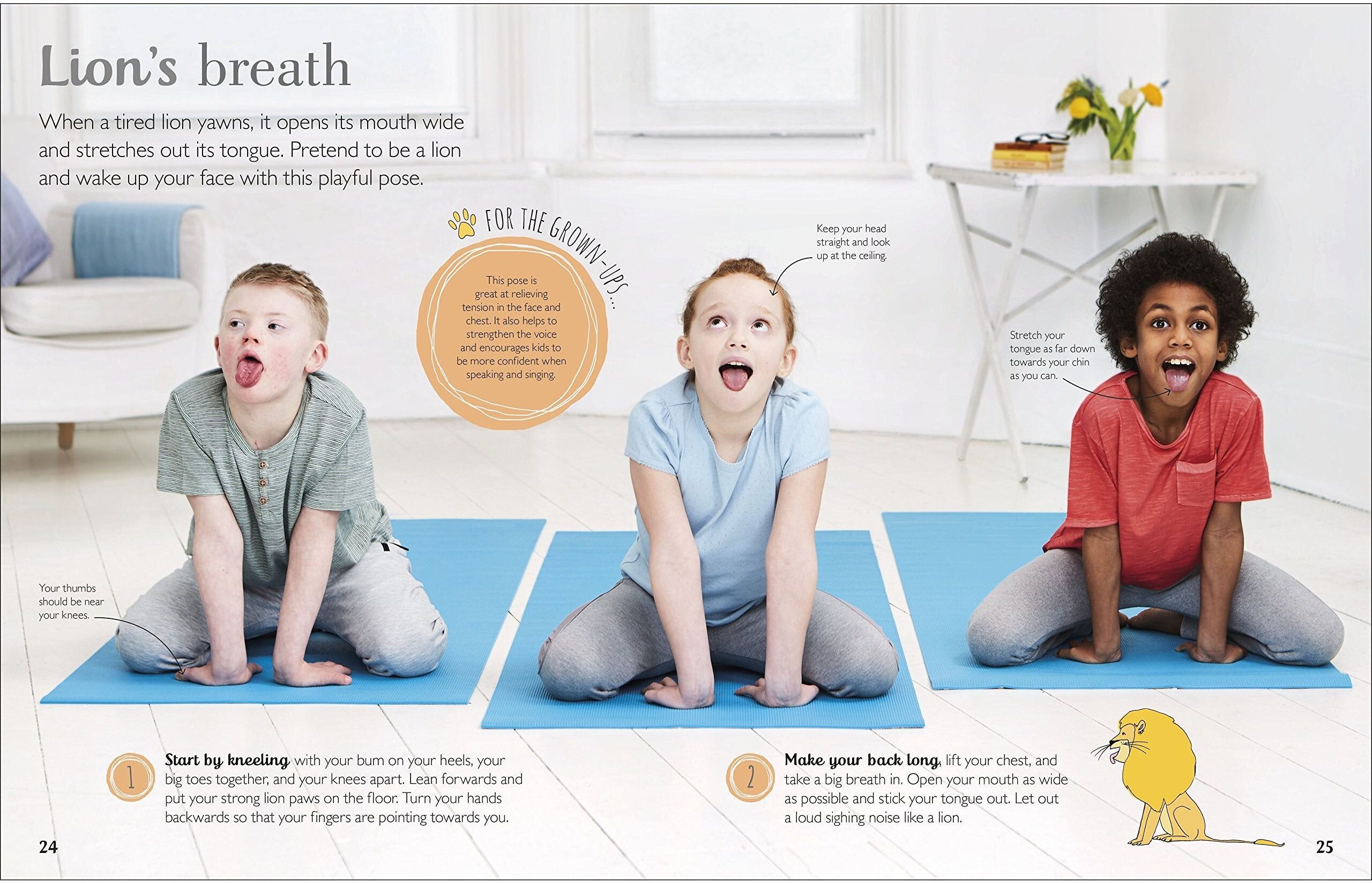
DK Yoga For Kids: Simple First Steps in Yoga and Mindfulness (Mindfulness for Kids) by Susannah HoffmanSimple first steps in yoga and mindfulness for your little one to discover!Yoga for Kids is a great way to teach your children about yoga, mindfulness, meditation and peace - whilst having fun at the same time! This all-encompassing guide includes everything you need to know about yoga for children. Encourage your child's curiosity as they explore simple variations of much-loved yoga poses, from the comfort of your own home!Dive straight in to discover:-Over 25 simple poses and yoga activities to explore-How to achieve maximum mindfulness and fun throughout each activity-Colourful illustrations and photographs showing yoga poses for kids to copy-Higher-level information allows parents to understand and ensure safety behind each poseYoga for Kids aims to teach children all about yoga and mindfulness using a strongly visual approach. Featuring exercises for the parents and children to explore independently or together, whether it's stretching into tree pose, bending into butterfly pose, succeeding with sun salutation or doing downward dog, your child can explore a series of fun and engaging yoga poses that'll keep them entertained for hours! Follow the activities presented in this yoga guide, and your little one can learn how to perfect their poses and become stronger and more confident too!The ideal yoga activity book for 6-9 year olds, this is a must-have volume for children who like moving, learning and bending! Whether you're a parent looking to encourage your child to relax, engage, focus and have fun, or you think your child may be experiencing anxiety and you're looking for a fun and mindful activity the family can enjoy together, this all-encompassing yoga book for children may be calling your name!Children's yoga expert Susannah Hoffman sets out to prove that supporting a child's positive mental health does not need to be expensive, difficult or even time-consuming.With this awe-inspiring activity book, your child can explore yoga poses that will help them de-stress and have fun at the same time!4,99 £*Shipping: 1,99 £Secure redirect to the provider
-
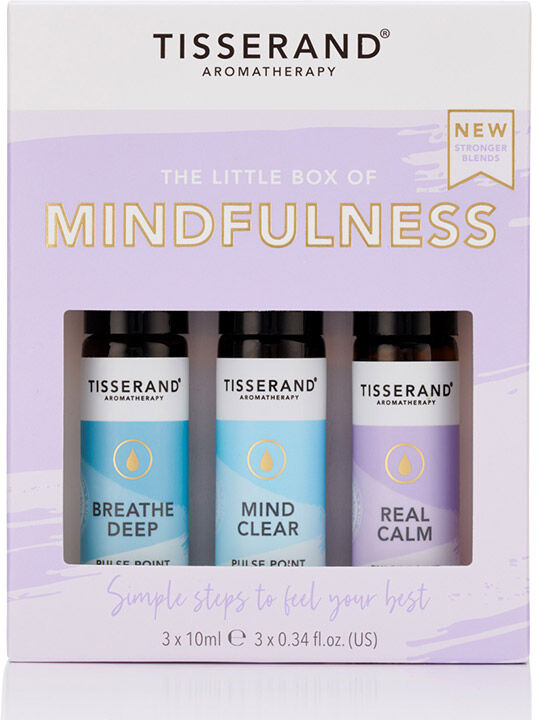
Tisserand Aromatherapy The Little Box of MindfulnessLife moving too fast? Clear your head with the Little Box of Mindfulness, containing expertly crafted three aromatherapy roller balls: • Breathe Deep Pulse Point Roller Ball 10ml • Mind Clear Pulse Point Roller Ball 10ml • Real Calm Pulse Point Roller Ball 10ml Combining orange, petitgrain and coriander essential oils, the Breathe Deep Pulse Point Roller Ball helps give your mind a break when it’s time to slow down and stop. The Mind Clear Pulse Point Roller Ball banishes clouding thoughts and lends clarity, boasting natural essential oils of peppermint, lavender and lemon. With a blend of lavender, bergamot and patchouli, the Real Calm Pulse Point Roller Ball helps restore your sense of tranquillity – perfect for aiding meditation or enhancing a yoga practice. Free from SLES, parabens and synthetic fragrances. Ingredients Breathe Deep Roller Ball: Caprylic/Capric Triglyceride, Citrus Aurantium Dulcis (Orange) Peel Oil, Amyris Balsamifera Bark Oil, Citrus Aurantium Amara (Petitgrain) Leaf/Twig Oil, Coriandrum Sativum (Coriander) Seed Oil, Tocopherol, Limonene*, Linalool*, Citral*, Geraniol*. Mind Clear Roller Ball: Caprylic/Capric Triglyceride, Mentha Piperita (Peppermint) Oil, Lavandula Angustifolia (Lavender) Oil, Picea Mariana (Black Spruce) Leaf Oil, Citrus Aurantifolia (Lime) Peel Oil, Citrus Limon (Lemon) Peel Oil, Origanum Majorana (French Marjoram) Leaf Oil, Anthemis Nobilis, Tocopherol, Limonene*, Linalool*, Citral*, Geraniol*. Real Calm Roller Ball: Caprylic/Capric Triglyceride, Citrus Aurantium Bergamia (Bergamot) Peel Oil, Lavandula Angustifolia (Lavender) Oil, Pogostemon Cablin (Patchouli) Leaf Oil, Pelargonium Graveolens (Geranium) Oil, Tocopherol, Linalool* Limonene*, Citronellol*, Geraniol*, Citral*. *Naturally Occurring Within Essential Oils10,59 £*Shipping: 2,95 £Secure redirect to the provider
-
What is a counseling psychologist?
A counseling psychologist is a mental health professional who specializes in providing therapy and counseling services to individuals, couples, families, and groups. They help clients address and overcome a wide range of emotional, behavioral, and psychological issues, such as anxiety, depression, relationship problems, and stress. Counseling psychologists use various therapeutic techniques to help clients gain insight, develop coping skills, and make positive changes in their lives. They work in a variety of settings, including private practice, mental health clinics, hospitals, and schools. **
-
What are the differences between a neurologist and a psychologist?
Neurologists are medical doctors who specialize in diagnosing and treating disorders of the nervous system, including the brain, spinal cord, and nerves. They primarily focus on the physical aspects of neurological conditions, such as performing tests like MRIs and CT scans. Psychologists, on the other hand, are mental health professionals who study human behavior and mental processes. They focus on the psychological aspects of conditions, such as emotions, thoughts, and behaviors, and use therapies like cognitive-behavioral therapy to help patients. Overall, neurologists deal with the physical aspects of neurological disorders, while psychologists focus on the psychological aspects of mental health conditions. **
-
What are the differences between social pedagogy and occupational therapy?
Social pedagogy focuses on the holistic development of individuals within a social context, emphasizing the importance of relationships, social inclusion, and personal growth. It aims to support individuals in developing their potential and achieving a sense of well-being. On the other hand, occupational therapy focuses on helping individuals develop or regain the skills needed for daily living and work activities. It aims to enable individuals to participate in meaningful occupations and improve their overall quality of life. While both social pedagogy and occupational therapy are concerned with supporting individuals in their personal development, social pedagogy has a broader focus on social relationships and inclusion, while occupational therapy has a more specific focus on daily living and work activities. **
-
What are the differences between the professions of psychologist and teacher?
Psychologists are trained professionals who specialize in the study of human behavior, emotions, and mental processes. They often work in clinical settings, conducting assessments, diagnosing mental health disorders, and providing therapy to individuals. On the other hand, teachers are educators who work in schools or educational institutions, focusing on imparting knowledge and skills to students in various subjects. While both professions involve working with people and helping them grow and develop, psychologists typically have a deeper focus on mental health and emotional well-being, while teachers focus on academic learning and development. **


What are the differences between the professions of teacher and psychologist?
The profession of a teacher involves instructing and educating students in a specific subject or subjects, while a psychologist focuses on understanding human behavior, emotions, and mental processes. Teachers typically work in educational settings such as schools, while psychologists may work in schools, hospitals, private practices, or research institutions. Teachers primarily focus on delivering curriculum and assessing student learning, while psychologists focus on assessing and treating mental health issues, conducting research, and providing therapy. Additionally, teachers typically require a teaching license or certification, while psychologists need a doctoral degree in psychology and a state license to practice. **
What are the differences between a psychiatrist, a psychotherapist, and a psychologist?
A psychiatrist is a medical doctor who specializes in mental health and can prescribe medication to treat mental health conditions. A psychotherapist is a trained professional who provides talk therapy to help individuals manage their mental health issues and emotional challenges. A psychologist is a mental health professional who has a doctoral degree in psychology and is trained to diagnose and treat mental health disorders through therapy and counseling, but cannot prescribe medication. Each of these professionals has a unique role in providing mental health care, and they may work together to provide comprehensive treatment for individuals. **
Top-Angebote
Products related to Differences:
-
Uplifted Goods Laser Therapy Watch For Circulation And Vascular Wellness whiteEnhance your daily wellness routine with this laser therapy watch designed to support healthy blood circulation and overall vascular health. Using gentle low level laser light, it provides a non invasive way to promote better blood flow and oxygen...928,50 $*Shipping: 0,00 $Secure redirect to the provider
-
Handpicked Choices Red Light Therapy Belt Infrared Therapy Wrap For Back Waist Muscle Recovery And Body Wellness blueExperience soothing comfort with this Red Light Therapy Belt, designed to help you relax after long days, intense workouts, or everyday physical strain. Combining 660nm red light and 850nm nearinfrared light, it offers a convenient, handsfree...109,97 $*Shipping: 0,00 $Secure redirect to the provider
-
Uplift Essentials Mental Health & Psychology Motivational Sign Inspirational Modern Decor For Counseling & Classroom Corners Mental Health & Psychology Motivational Sign Inspirational Modern Decor For Counseling & Classroom Corners"Synchronize your sanctuary with the highdefinition, highvibration energy of our Psychology Motivational Decoration. Featuring a sophisticated ""mindfulminimalist"" silhouette, this professional plaque is designed to bring a ""calmluxe"" energy to your..."59,97 $*Shipping: 0,00 $Secure redirect to the provider
-
Uplifted Finds Mental Health Awareness Acrylic Sign Psychology Motivational Decor For Counseling, Classroom & Office Mental Health Awareness Acrylic Sign Psychology Motivational Decor For Counseling, Classroom & Office"Foster a culture of resilience and wellness with our Mental Health Gift. This premium psychology motivational decoration is the ultimate designer solution for creating a ""MindfulSanctuary"" or ""PositiveFocus"" atmosphere in any home. Featuring a..."71,97 $*Shipping: 0,00 $Secure redirect to the provider
-
What are the differences between Gestalt therapy and systemic therapy?
Gestalt therapy focuses on the present moment and emphasizes personal responsibility, awareness, and the integration of mind, body, and emotions. It encourages clients to explore their experiences and take ownership of their thoughts and feelings. On the other hand, systemic therapy focuses on the interconnectedness of individuals within their family and social systems. It examines how patterns of behavior and communication within these systems impact the individual and seeks to bring about change through understanding and addressing these dynamics. While both approaches emphasize the importance of relationships and the environment, Gestalt therapy focuses on individual experience and personal growth, while systemic therapy looks at the broader context and relational dynamics. **
-
What are the differences between psychodynamic therapy and cognitive behavioral therapy?
Psychodynamic therapy focuses on exploring unconscious thoughts and emotions that may be influencing a person's behavior, while cognitive behavioral therapy (CBT) focuses on changing negative thought patterns and behaviors in the present. Psychodynamic therapy often involves delving into past experiences and relationships to gain insight into current issues, while CBT is more focused on identifying and changing specific thoughts and behaviors that are causing distress. Additionally, psychodynamic therapy tends to be more long-term and insight-oriented, while CBT is typically more short-term and goal-oriented. **
-
What is a counseling psychologist?
A counseling psychologist is a mental health professional who specializes in providing therapy and counseling services to individuals, couples, families, and groups. They help clients address and overcome a wide range of emotional, behavioral, and psychological issues, such as anxiety, depression, relationship problems, and stress. Counseling psychologists use various therapeutic techniques to help clients gain insight, develop coping skills, and make positive changes in their lives. They work in a variety of settings, including private practice, mental health clinics, hospitals, and schools. **
-
What are the differences between a neurologist and a psychologist?
Neurologists are medical doctors who specialize in diagnosing and treating disorders of the nervous system, including the brain, spinal cord, and nerves. They primarily focus on the physical aspects of neurological conditions, such as performing tests like MRIs and CT scans. Psychologists, on the other hand, are mental health professionals who study human behavior and mental processes. They focus on the psychological aspects of conditions, such as emotions, thoughts, and behaviors, and use therapies like cognitive-behavioral therapy to help patients. Overall, neurologists deal with the physical aspects of neurological disorders, while psychologists focus on the psychological aspects of mental health conditions. **
Similar search terms for Differences
-
DK Yoga For Kids: Simple First Steps in Yoga and Mindfulness (Mindfulness for Kids) by Susannah HoffmanSimple first steps in yoga and mindfulness for your little one to discover!Yoga for Kids is a great way to teach your children about yoga, mindfulness, meditation and peace - whilst having fun at the same time! This all-encompassing guide includes everything you need to know about yoga for children. Encourage your child's curiosity as they explore simple variations of much-loved yoga poses, from the comfort of your own home!Dive straight in to discover:-Over 25 simple poses and yoga activities to explore-How to achieve maximum mindfulness and fun throughout each activity-Colourful illustrations and photographs showing yoga poses for kids to copy-Higher-level information allows parents to understand and ensure safety behind each poseYoga for Kids aims to teach children all about yoga and mindfulness using a strongly visual approach. Featuring exercises for the parents and children to explore independently or together, whether it's stretching into tree pose, bending into butterfly pose, succeeding with sun salutation or doing downward dog, your child can explore a series of fun and engaging yoga poses that'll keep them entertained for hours! Follow the activities presented in this yoga guide, and your little one can learn how to perfect their poses and become stronger and more confident too!The ideal yoga activity book for 6-9 year olds, this is a must-have volume for children who like moving, learning and bending! Whether you're a parent looking to encourage your child to relax, engage, focus and have fun, or you think your child may be experiencing anxiety and you're looking for a fun and mindful activity the family can enjoy together, this all-encompassing yoga book for children may be calling your name!Children's yoga expert Susannah Hoffman sets out to prove that supporting a child's positive mental health does not need to be expensive, difficult or even time-consuming.With this awe-inspiring activity book, your child can explore yoga poses that will help them de-stress and have fun at the same time!4,99 £*Shipping: 1,99 £Secure redirect to the provider
-
Tisserand Aromatherapy The Little Box of MindfulnessLife moving too fast? Clear your head with the Little Box of Mindfulness, containing expertly crafted three aromatherapy roller balls: • Breathe Deep Pulse Point Roller Ball 10ml • Mind Clear Pulse Point Roller Ball 10ml • Real Calm Pulse Point Roller Ball 10ml Combining orange, petitgrain and coriander essential oils, the Breathe Deep Pulse Point Roller Ball helps give your mind a break when it’s time to slow down and stop. The Mind Clear Pulse Point Roller Ball banishes clouding thoughts and lends clarity, boasting natural essential oils of peppermint, lavender and lemon. With a blend of lavender, bergamot and patchouli, the Real Calm Pulse Point Roller Ball helps restore your sense of tranquillity – perfect for aiding meditation or enhancing a yoga practice. Free from SLES, parabens and synthetic fragrances. Ingredients Breathe Deep Roller Ball: Caprylic/Capric Triglyceride, Citrus Aurantium Dulcis (Orange) Peel Oil, Amyris Balsamifera Bark Oil, Citrus Aurantium Amara (Petitgrain) Leaf/Twig Oil, Coriandrum Sativum (Coriander) Seed Oil, Tocopherol, Limonene*, Linalool*, Citral*, Geraniol*. Mind Clear Roller Ball: Caprylic/Capric Triglyceride, Mentha Piperita (Peppermint) Oil, Lavandula Angustifolia (Lavender) Oil, Picea Mariana (Black Spruce) Leaf Oil, Citrus Aurantifolia (Lime) Peel Oil, Citrus Limon (Lemon) Peel Oil, Origanum Majorana (French Marjoram) Leaf Oil, Anthemis Nobilis, Tocopherol, Limonene*, Linalool*, Citral*, Geraniol*. Real Calm Roller Ball: Caprylic/Capric Triglyceride, Citrus Aurantium Bergamia (Bergamot) Peel Oil, Lavandula Angustifolia (Lavender) Oil, Pogostemon Cablin (Patchouli) Leaf Oil, Pelargonium Graveolens (Geranium) Oil, Tocopherol, Linalool* Limonene*, Citronellol*, Geraniol*, Citral*. *Naturally Occurring Within Essential Oils10,59 £*Shipping: 2,95 £Secure redirect to the provider
-
DK Calm - Mindfulness For Kids by Wynne KinderMindfulness is a big word for a simple idea - it is paying attention, with care, to one moment at a time. The perfect introduction to mindfulness, this children's book teaches kids how to be mindful by focusing their thoughts and noticing the world around them using fun activities.Children can choose what they need and select an appropriate activity, be it reflective, one that will improve focus, or a calming exercise. Each page has a different activity and children can work through all of the exercises or select an area they wish to work on. It's the perfect gentle introduction to getting a child to think mindfully. Packed with a variety of crafts and exercises, kids can learn practical mindfulness in minutes. Help to settle your emotions by making a glitter jar, take time to appreciate food using mindful eating, and find out how to take a rainbow breath. The breathing exercises can be done almost anywhere, and crafts such as bubbles of kindness use household items to create exciting tools for mindfulness.Calm - Mindfulness for Kids shows that supporting a child's positive mental health doesn't need to be expensive, time-consuming, or difficult, and that children can de-stress, focus, and get moving while having fun.3,95 £*Shipping: 1,99 £Secure redirect to the provider
-
Nails Inc. Plant Power long-lasting nail polish shade Mindfulness Mantra 14 mlNails Inc. Plant Power, 14 ml, Nail Varnishes for Women, A gorgeous manicure as though you’d just left the nail salon? The Nails Inc. Plant Power nail polish lets you achieve it in the comfort of your own home. It coats the surface of the nail with a continuous layer of long-lasting, intense colour with a glossy finish, helping to give your nails a manicured, perfectly groomed look. You can use it to accentuate your nails or perhaps to enhance your outfit and style. So which colour will you choose to make your nails pop? Characteristics: bright, rich colour ensures a high gloss easy to apply Ingredients: vegan product no acetone How to use: Apply the polish using a brush for polish-free, degreased nails. For best results, apply two layers.10,00 £*Shipping: 3,99 £Secure redirect to the provider
-
What are the differences between social pedagogy and occupational therapy?
Social pedagogy focuses on the holistic development of individuals within a social context, emphasizing the importance of relationships, social inclusion, and personal growth. It aims to support individuals in developing their potential and achieving a sense of well-being. On the other hand, occupational therapy focuses on helping individuals develop or regain the skills needed for daily living and work activities. It aims to enable individuals to participate in meaningful occupations and improve their overall quality of life. While both social pedagogy and occupational therapy are concerned with supporting individuals in their personal development, social pedagogy has a broader focus on social relationships and inclusion, while occupational therapy has a more specific focus on daily living and work activities. **
-
What are the differences between the professions of psychologist and teacher?
Psychologists are trained professionals who specialize in the study of human behavior, emotions, and mental processes. They often work in clinical settings, conducting assessments, diagnosing mental health disorders, and providing therapy to individuals. On the other hand, teachers are educators who work in schools or educational institutions, focusing on imparting knowledge and skills to students in various subjects. While both professions involve working with people and helping them grow and develop, psychologists typically have a deeper focus on mental health and emotional well-being, while teachers focus on academic learning and development. **
-
What are the differences between the professions of teacher and psychologist?
The profession of a teacher involves instructing and educating students in a specific subject or subjects, while a psychologist focuses on understanding human behavior, emotions, and mental processes. Teachers typically work in educational settings such as schools, while psychologists may work in schools, hospitals, private practices, or research institutions. Teachers primarily focus on delivering curriculum and assessing student learning, while psychologists focus on assessing and treating mental health issues, conducting research, and providing therapy. Additionally, teachers typically require a teaching license or certification, while psychologists need a doctoral degree in psychology and a state license to practice. **
-
What are the differences between a psychiatrist, a psychotherapist, and a psychologist?
A psychiatrist is a medical doctor who specializes in mental health and can prescribe medication to treat mental health conditions. A psychotherapist is a trained professional who provides talk therapy to help individuals manage their mental health issues and emotional challenges. A psychologist is a mental health professional who has a doctoral degree in psychology and is trained to diagnose and treat mental health disorders through therapy and counseling, but cannot prescribe medication. Each of these professionals has a unique role in providing mental health care, and they may work together to provide comprehensive treatment for individuals. **
* All prices are inclusive of VAT and, if applicable, plus shipping costs. The offer information is based on the details provided by the respective shop and is updated through automated processes. Real-time updates do not occur, so deviations can occur in individual cases. ** Note: Parts of this content were created by AI.